What does car registration include?
Registering a foreign-plated car in Tenerife is a sequence of technical, tax and administrative steps. DGT issues the Spanish registration, but the file normally needs the Spanish ITV card and the applicable tax evidence first. DUA is part of the process when customs or Canarian entry procedures require it.
1. Identify the right route
Start with the country of registration, ownership, date of arrival, intended use and whether you are moving your usual residence. A Spanish-plated car arriving from the mainland follows a different route from a foreign-plated car. An EU vehicle and a UK vehicle can also have different customs and approval requirements.
2. Review your documents
- Passport or European national ID, plus NIE and address evidence where required.
- Original foreign registration documents and evidence of ownership.
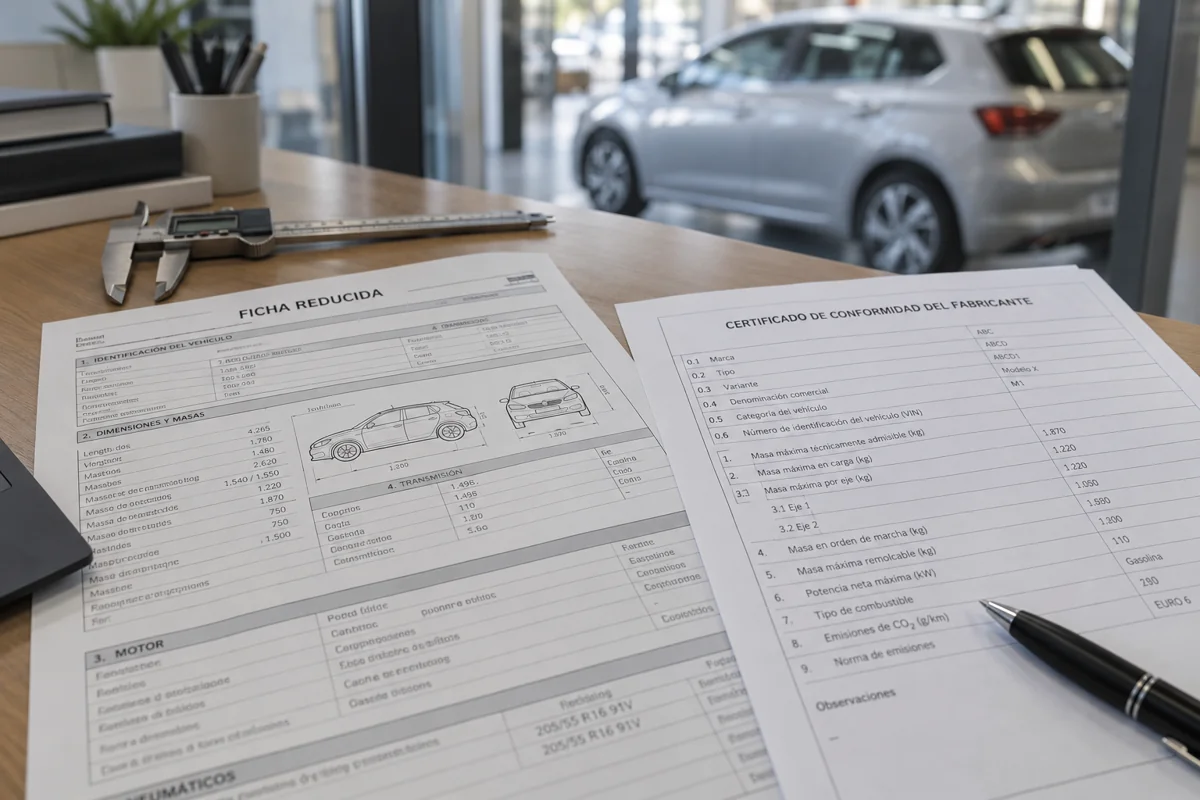
- COC or available technical data; photographs of the VIN and approval plate can help the initial review.
- Arrival and previous-residence evidence if you want to request an exemption.
Check that the VIN, names and dates agree before requesting appointments. Scans help us review the file; originals may still be required for official steps.
3. Prepare technical documents and ITV
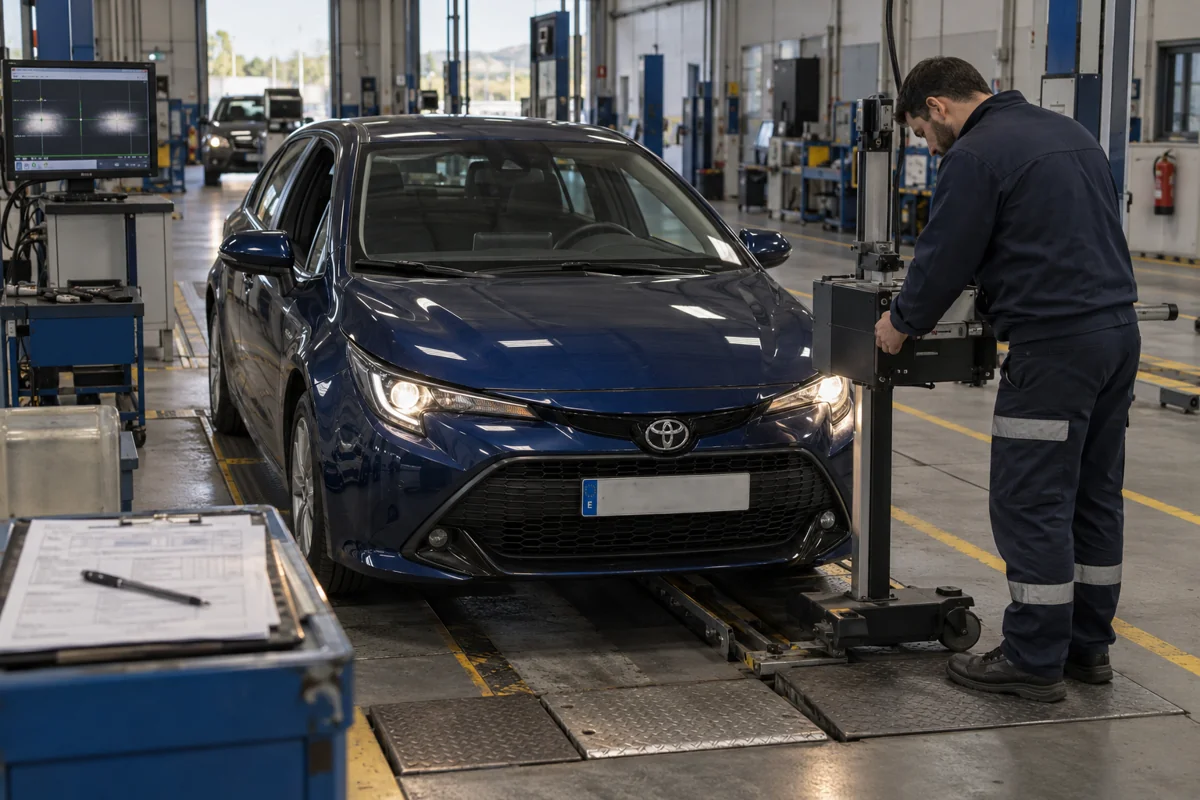
The vehicle’s approval, age and modifications determine the technical route. A COC, a ficha reducida or another homologation procedure may be appropriate. Arrange the registration inspection with the correct documentation; a foreign roadworthiness certificate alone does not produce the Spanish ITV card.
4. Resolve DUA and taxes
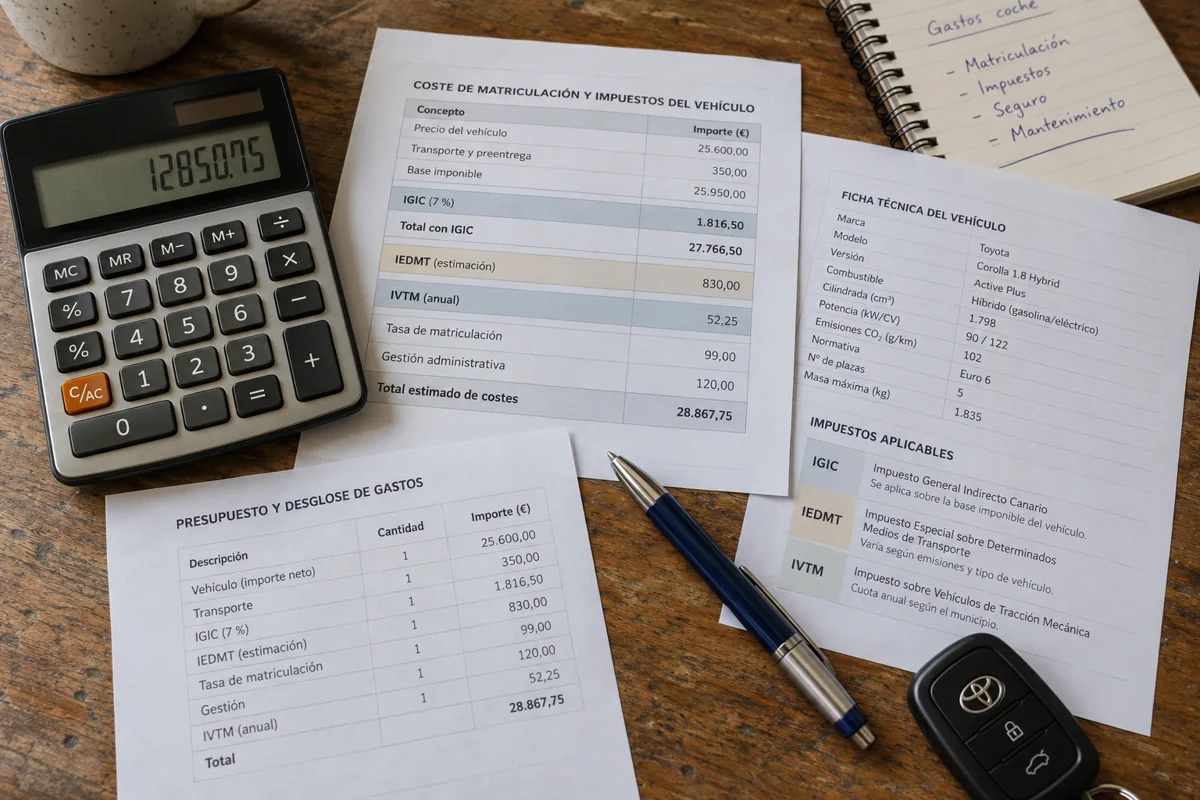
Confirm the Canarian entry declaration and any customs formalities. IGIC, registration tax (IEDMT) and municipal road tax (IVTM) are separate items. Any residence-transfer exemption must be checked and documented for the particular tax; it is not automatic.
5. Complete DGT registration and plates
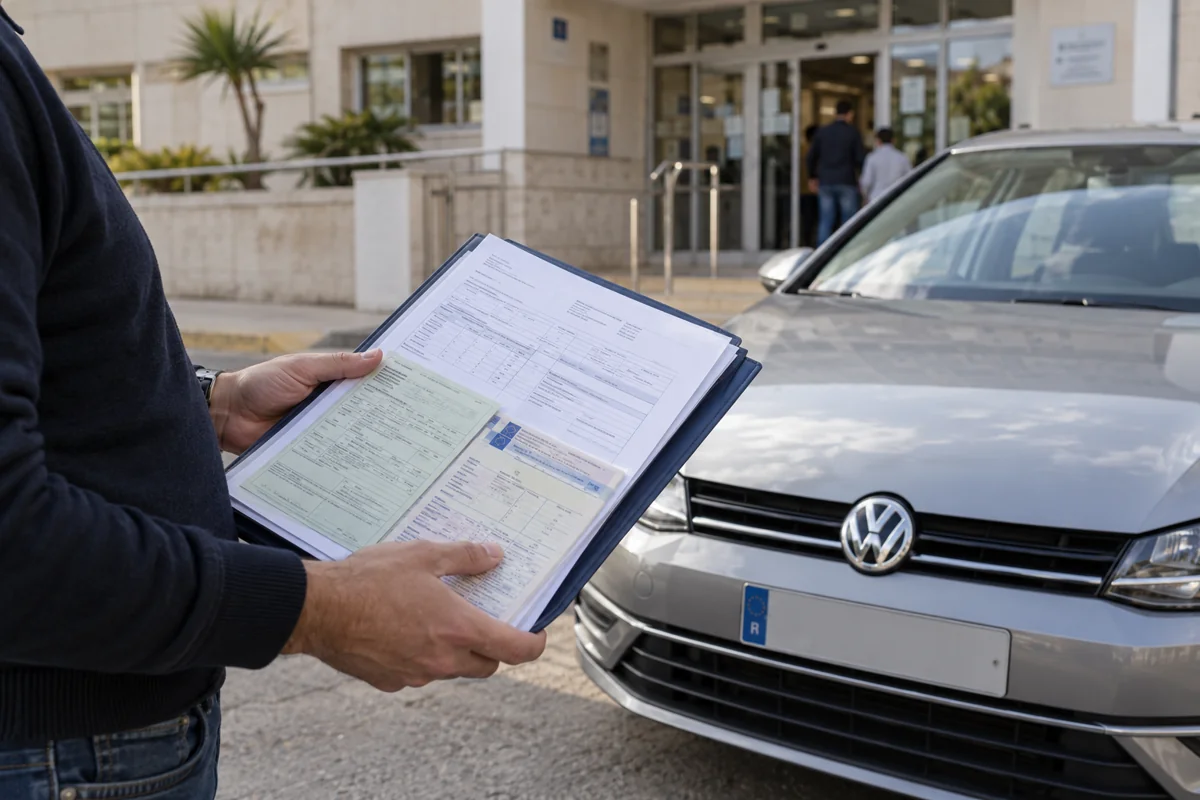
Once the technical and tax file is ready, the registration application can be completed. After DGT assigns the number and issues the circulation permit, arrange the plates and appropriate insurance before normal use. A temporary permit is a separate application and must meet its own conditions.
How long will it take?
The practical timetable has four parts: obtaining documents, securing an ITV appointment, resolving tax/customs matters and processing the complete DGT file. Missing approval data, repairs, exemptions or requests for additional evidence can extend it. We estimate each stage after the initial review; a fixed 7–14 working-day promise would not cover every vehicle.
What should I do first?
Send the make, model, country of registration, arrival date and whether you are moving here. We review what you already have, explain missing documents and separate our service fee from external fees and vehicle taxes.